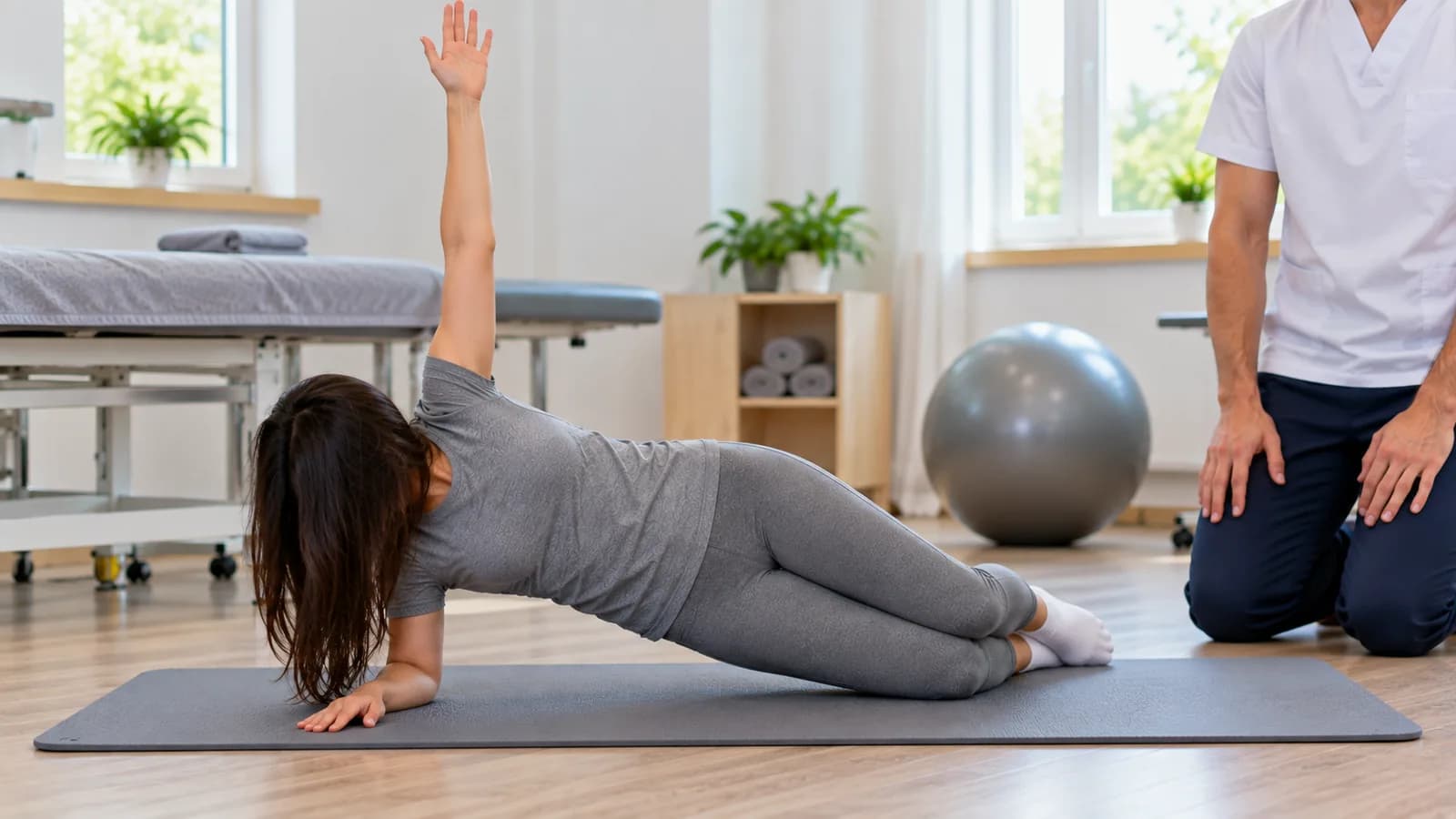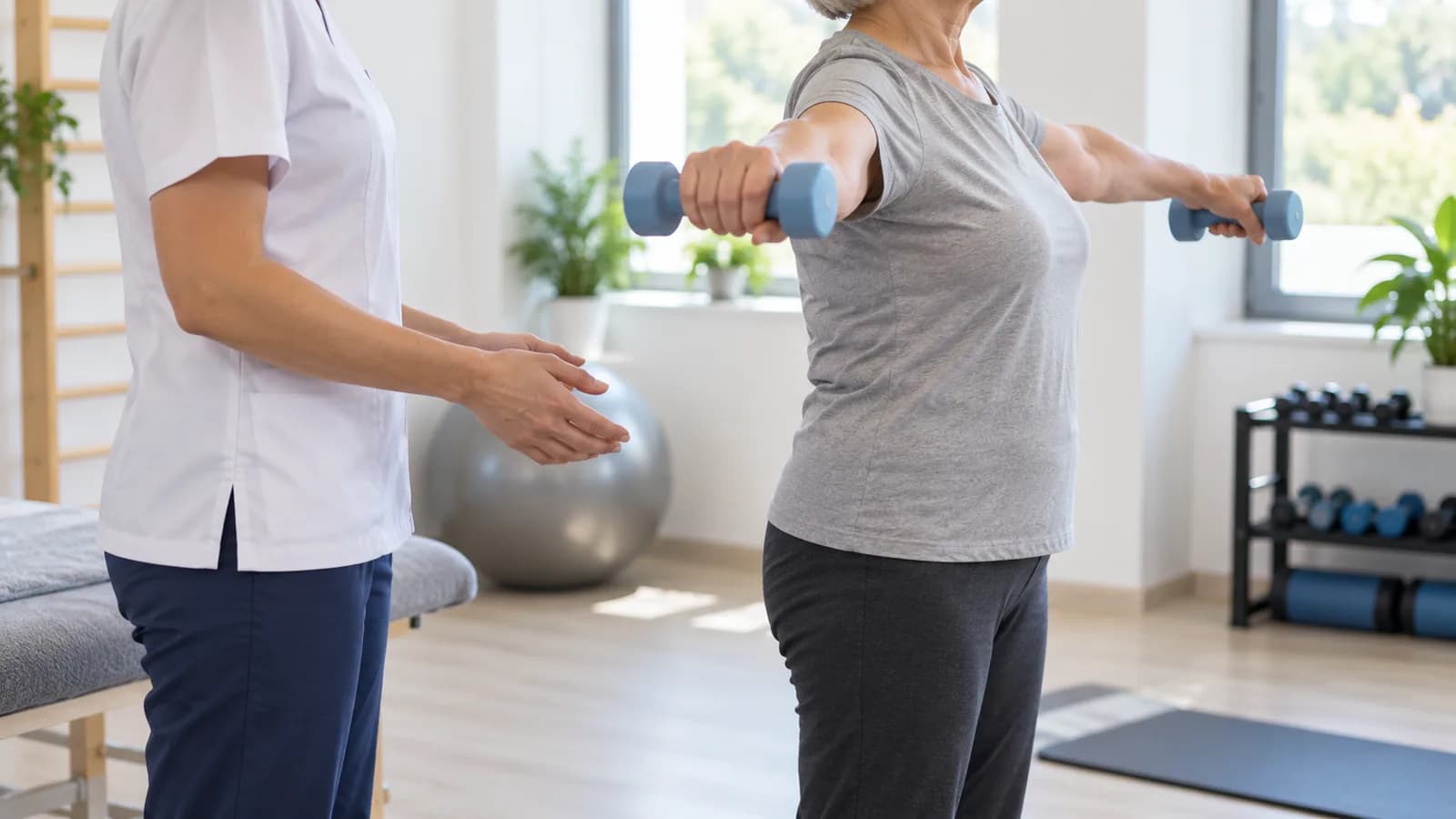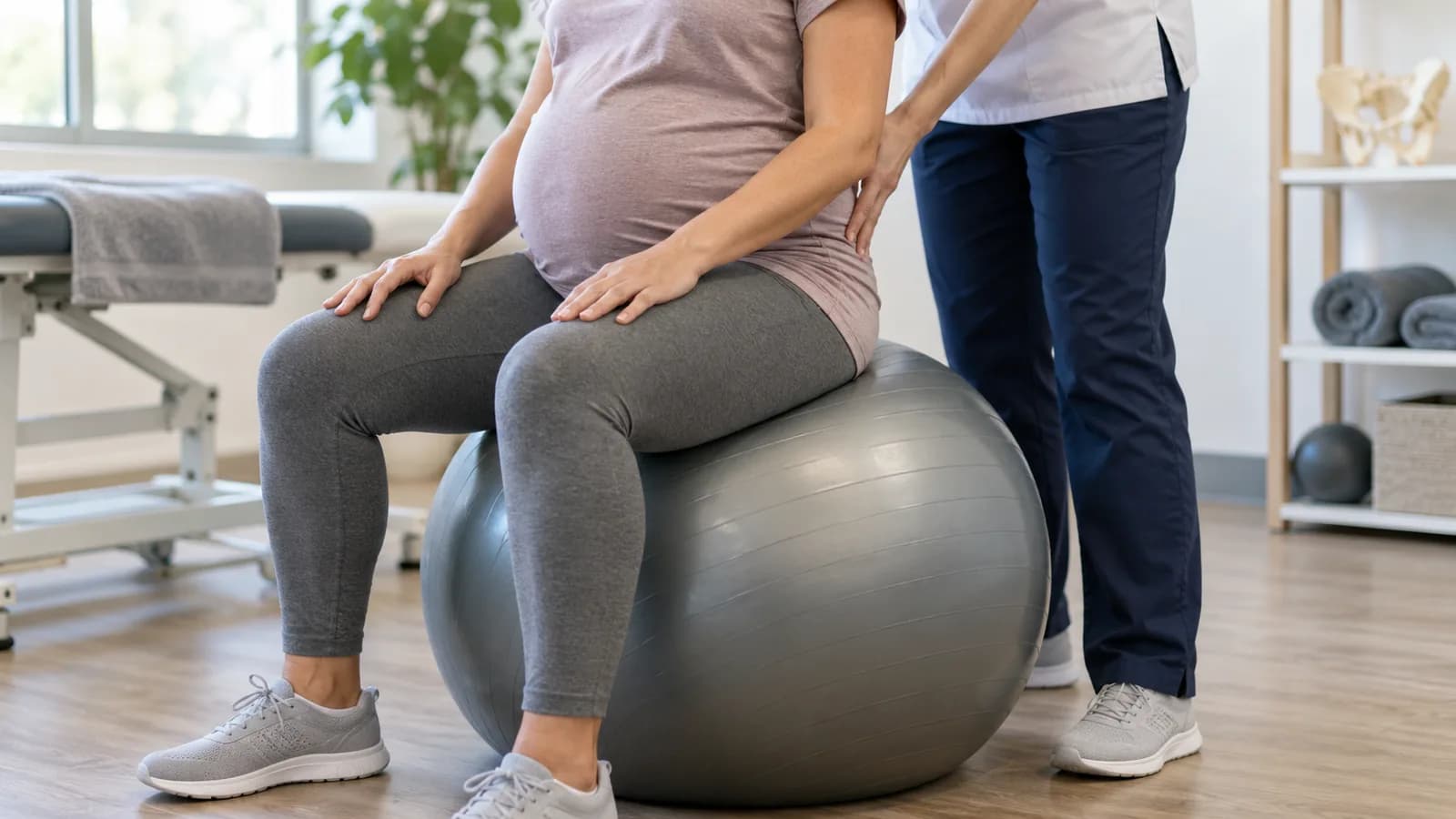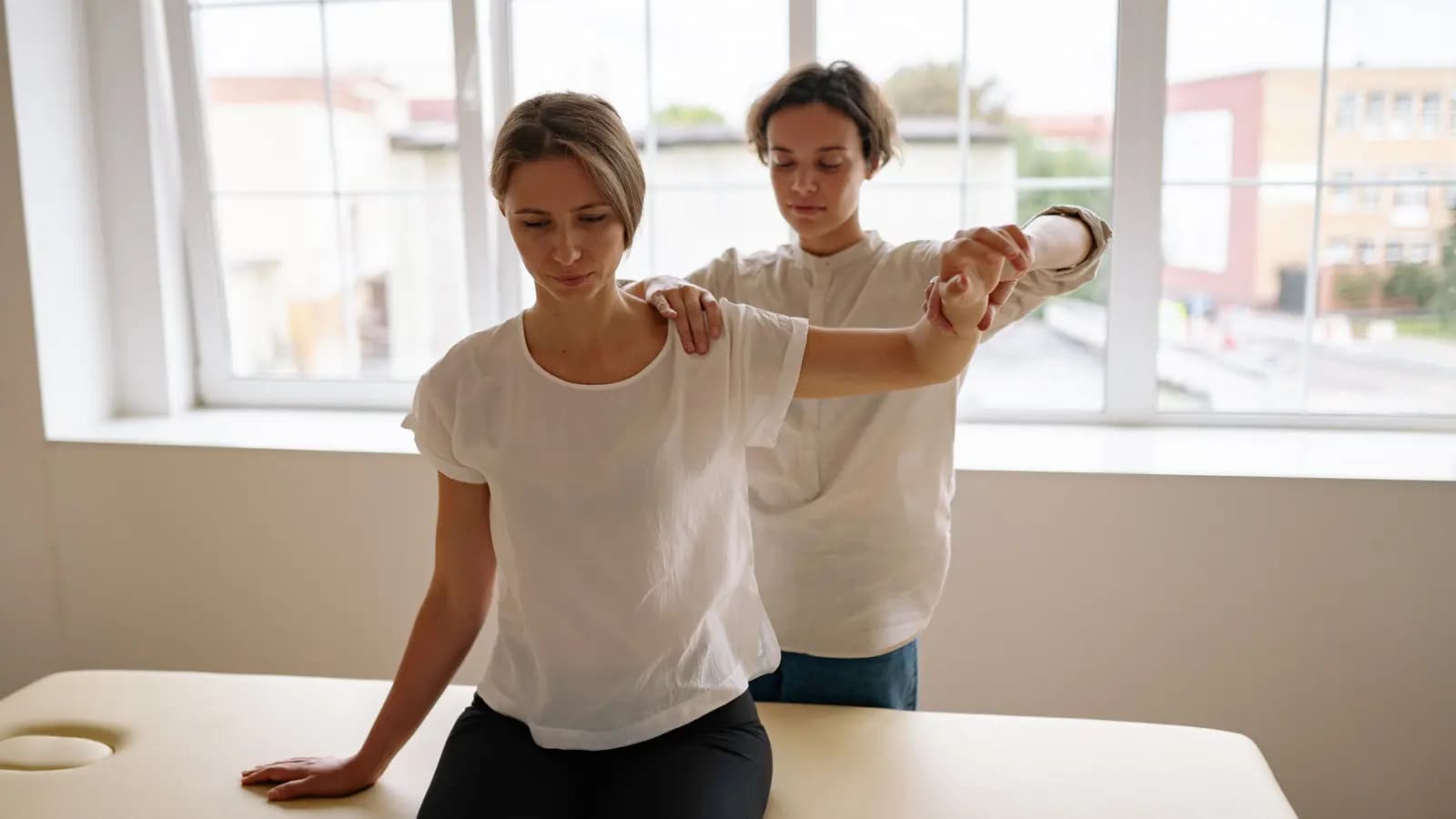
Most of the injuries we treat are not the result of one unlucky movement. They are the moment a months-old habit finally spills over: the bag always carried on the same shoulder, the match played without warming up, the eight hours spent in one position.
Most of these habits can be changed, and you do not need a gym membership to do it. Below are two separate routines, one for desk workers and one for people who train regularly, each taking only a few minutes.
Injuries build up, they rarely just happen
At our clinic in Muratpaşa, Antalya, three patterns come up again and again:
- A sudden jump in load: months of sitting still, then three hours of football on Saturday, or a weekly running distance that goes from 10 to 20 kilometres overnight.
- One-sided loading: the same shoulder carrying the bag every day, the child always on the same hip, a desk that keeps you turned in one direction.
- Ignoring the warning: training through a “mild” knee ache that has lasted two weeks.
All three share the same problem: the body never gets time to recover. Muscle, tendon and cartilage adapt to load, but only if you give them time.
Warm-up: eight minutes, every time
Skipping the warm-up usually costs you within the first ten minutes. Sudden acceleration on cold muscle is the most common cause of hamstring and calf strains.
Before you step onto the pitch or into the gym, try this order:
- 2 minutes of easy walking, cycling or skipping; get your heart rate up and start to sweat.
- 10 arm circles, small first, then wide.
- 10 forward-and-back and 10 side-to-side leg swings per leg.
- 10 bodyweight squats, as deep as you can go comfortably.
- 6 forward lunges with a trunk rotation on each side.
- 3 x 20 metre build-up runs, or 15 seconds of jumping on the spot.
Keep the order right: dynamic stretches before training, long static holds afterwards. A 45-second static stretch on cold muscle reduces performance and does not protect you.
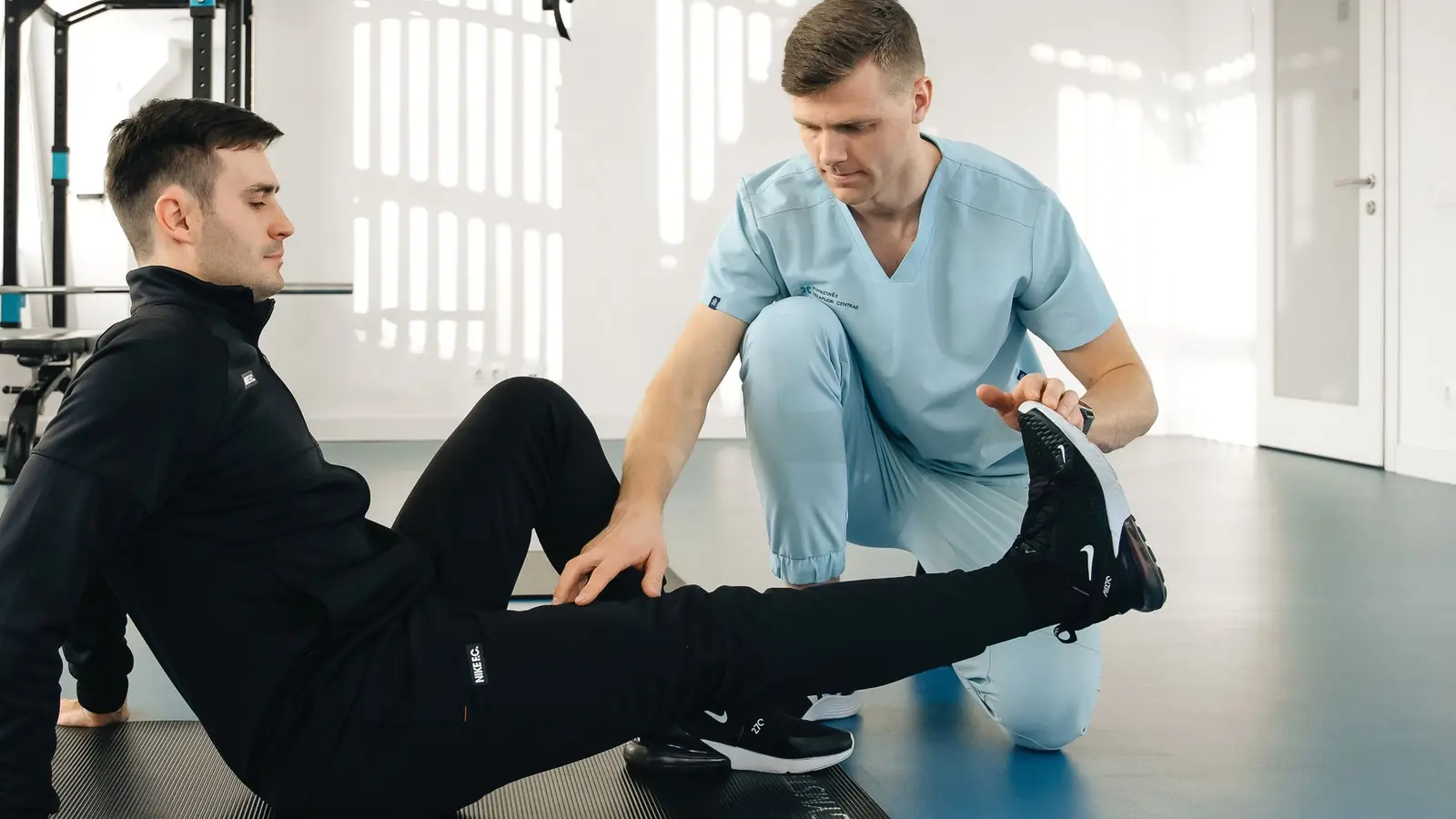
If you work at a desk
Most office-related complaints do not come from sitting the wrong way, but from sitting the same way for too long. The best position is the next one.
Set a 45-minute reminder on your phone and spend two minutes on this each time:
- Chin tucks: pull the chin back without tipping the head, hold 3 seconds, 10 repetitions. For the neck and upper back.
- Doorway chest stretch: forearms on the frame, one step forward, 30 seconds. For rounded shoulders.
- Hip flexor stretch: in a half-kneeling position, push the hip forward, 30 seconds per side. Everyone who sits for eight hours needs this one.
- Seated trunk rotation: arms crossed on the chest, 8 turns to each side.
- Ankle pumps, then stand up and walk 20 steps.
Keep the top of your screen at eye level and the keyboard at elbow height. If you work on a laptop all day, an external keyboard and a stand are the cheapest protective equipment you can buy.
If you train regularly
A large share of the injuries we see in athletes come from load management, not from technique. The body does not punish how much you train; it punishes how fast you increase it.
- Do not raise your weekly total load (distance, time, weight lifted) by much more than 10 percent compared with the week before.
- Keep at least one full rest day a week, and avoid stacking two hard sessions back to back.
- Train eccentric strength: Nordic hamstring curls (twice a week, 3 sets of 5) and single-leg calf raises (3 sets of 12, lowering slowly). These carry the strongest evidence we have against hamstring and Achilles problems.
- Track your running shoes and replace them once the midsole gives up, typically after 600-800 kilometres.
- Do not get stuck in one movement pattern: add strength work if you run, add mobility work if you lift.
Recovery is part of the training
Muscle does not grow during the session, it grows while you rest. Getting your sleep up to 7-9 hours does more than most supplements.
Learn to tell types of pain apart:
- Broad muscle soreness 24-72 hours after a session is an expected response and eases as you move.
- Sharp pain in one spot that limits movement is not an expected response.
- On a 0-10 scale, if your pain goes above 3 or is worse the next morning, cut the load.
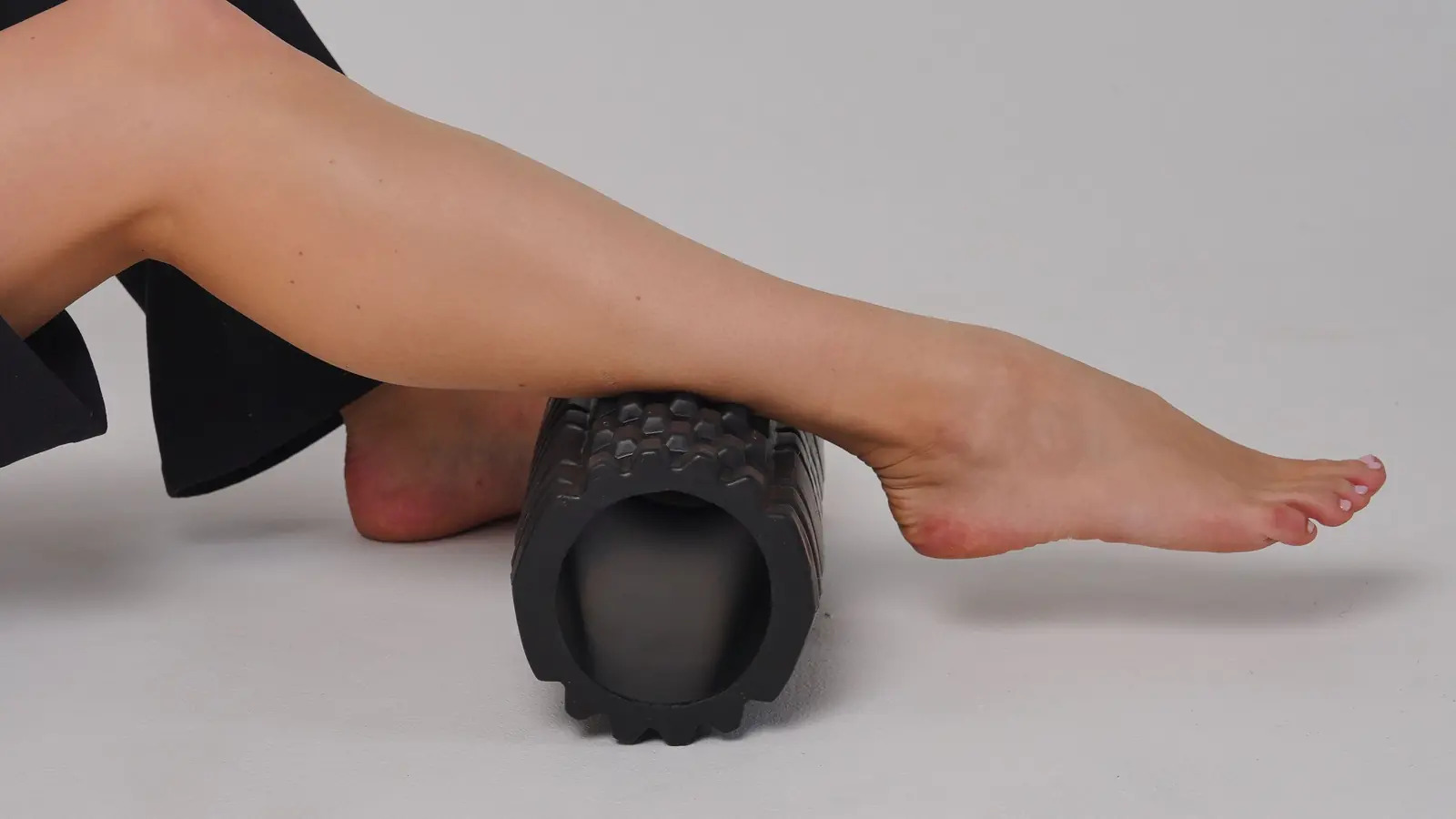
Active recovery such as foam rolling and easy walking improves blood flow and reduces stiffness. Enough water and enough protein at each meal belong to the same job.
When to see a physiotherapist
Some problems do not resolve on their own. Book an appointment if any of these apply:
- Pain that has lasted more than two weeks without easing.
- Pain that wakes you at night or continues while you rest.
- Numbness, tingling, or loss of strength in a hand or foot.
- Swelling, locking, or a joint that gives way.
- A recurring injury in the same area, which usually points to an underlying movement restriction.
- Being unable to put weight on a leg after an injury.
We do not only look at the painful area. We assess movement, joint range and the strength of the surrounding muscles together, then build a programme around your findings. For most musculoskeletal complaints, that is the first step to take.
Regular movement does not wear a joint out — it protects it; our article on exercise in knee osteoarthritis explains why it comes before medication and which four movements build the knee back up. Recovery rules also change with the stage of life: after childbirth the trunk is not yet ready for the old load, so pelvic floor and abdominal recovery needs a programme of its own, which we set out step by step in a separate article.
If your pain has passed the two-week mark, or you are not sure which routine suits you, do not guess. Book an appointment at a time that works for you, and see the full range of assessment and treatment options on our services page. We will see you at our clinic in Muratpaşa, Antalya.