A ring that suddenly feels tight by the evening, one leg that looks fuller than the other, a sock elastic that leaves a deep mark — it is easy to put all of this down to a long day. With lymphedema, though, the timing of that first appointment genuinely matters: caught early it is far easier to keep under control, and every month that passes changes the tissue a little more. Lymphedema and lipedema are a distinct area of work at our clinic in Muratpaşa, Antalya, so we have gathered here the questions our patients ask us most.
What Lymphedema Actually Is
The lymphatic system is a fine network that collects the fluid, proteins and cellular waste that leak from the blood vessels into the tissues and carries them back into circulation. When the carrying capacity of that network drops — because vessels or lymph nodes have been damaged — or when the load placed on it rises, fluid stays behind in the tissue.
What sets lymphedema apart from ordinary fluid retention is that the fluid left behind is rich in protein. Protein sitting in tissue sustains a quiet inflammatory response; over time fat and connective tissue increase, and soft swelling gives way to firm, established volume. Lymphedema is therefore not something that settles down if you wait — it is a progressive condition.
This is worth saying plainly at the outset: lymphedema is chronic, and there is no treatment that removes it altogether. What treatment and consistent self-care do achieve is considerable — volume can be reduced, progression can be halted, and the burden on daily life can be brought down substantially. That is exactly what we work towards.
Primary and Secondary Lymphedema: Where It Starts
- Primary lymphedema: relates to a structural difference in the lymph vessels and nodes that is present from birth. It can show at birth, but more often appears for the first time around puberty or after the age of 35, usually in the legs and frequently on both sides.
- Secondary lymphedema: a system that had been working normally is damaged later on. The large majority of the patients who come to us fall into this group.
By some distance the most common cause we see is breast cancer surgery. Removal of the axillary lymph nodes raises the risk markedly once radiotherapy is added, and the swelling may not begin until months, sometimes years, after the operation. That long gap is the main reason patients fail to connect the two events.
The same mechanism follows gynaecological and prostate surgery in the legs, and melanoma surgery in the limb concerned. There are non-cancer causes too: recurrent skin infections (erysipelas), advanced venous insufficiency, serious trauma and burn scarring, prolonged immobility and excess weight all increase the load carried by the lymphatic system.
Symptoms and Stages: What the Swelling Tells You

The earliest signs come before any visible swelling, and it is usually the patient who notices them: a sense of heaviness or tightness in the arm or leg, skin that looks stretched, the mark of a watch or ring taking longer to fade, fullness that builds through the evening and partly settles by morning.
The international classification uses four stages:
- Stage 0 (latent): transport capacity is reduced but there is no visible swelling. Heaviness and tightness may be present. For an at-risk patient this is precisely the stage where follow-up pays off most.
- Stage 1: the swelling is soft, leaves a dent when pressed, and reduces noticeably when the arm or leg is elevated.
- Stage 2: the tissue starts to firm up. Pitting decreases and elevation alone is no longer enough. This is the stage at which fibrosis becomes established.
- Stage 3: volume is markedly increased, the skin thickens, wart-like growths and deep folds appear, and the risk of infection rises.
There are two simple checks you can do at home. The first is the pitting test: press your thumb into the swollen area for around ten seconds; if the dent left behind fills back in slowly, that points towards oedema. The second is Stemmer's sign: try to pinch and lift the skin at the base of the second toe or finger. If you cannot lift it as easily as on the other side, that is a meaningful pointer towards lymphedema. Neither is a diagnosis, but either is more than reason enough to be examined.
Where the swelling sits is informative as well. One-sided swelling that also involves the back of the hand or foot puts the lymphatic system first in line. Swelling in both legs that stops at a clear line above the ankle and leaves the feet untouched usually suggests something else — which brings us to lipedema.
Lipedema or Lymphedema? How to Tell Them Apart
- Distribution: lipedema is almost always bilateral and symmetrical, gathers over the hips and legs, spares the feet and forms what looks like a cuff at the ankle. Secondary lymphedema is usually one-sided and involves the back of the hand or foot along with the digits.
- Pain: lipedema tissue hurts to touch and bruises after minor knocks. What is typical in lymphedema is not pain but heaviness and tightness.
- Pitting: pressing on lipedema tissue usually leaves no dent; early-stage lymphedema does.
- Onset: lipedema begins around hormonal milestones — puberty, pregnancy, menopause — and is seen almost exclusively in women, often with a similar body shape running in the family.
- Relation to weight: with lipedema, losing weight slims the trunk while the legs stay disproportionate. This is usually the point patients find most demoralising.
The two are not mutually exclusive. Over the years a lymphatic load can be added on top of lipedema and lipo-lymphedema develops; the treatment plan then has to take both into account. Telling them apart properly requires examination, measurement and, where needed, imaging — comparing photographs online will not do it.
Complete Decongestive Therapy: Four Steps, in Order

The internationally accepted standard treatment for lymphedema is complete decongestive therapy (CDT). It has four components, and the point is that they are applied in a set order within the same session rather than picked out one at a time. No single component on its own produces what the four together produce.
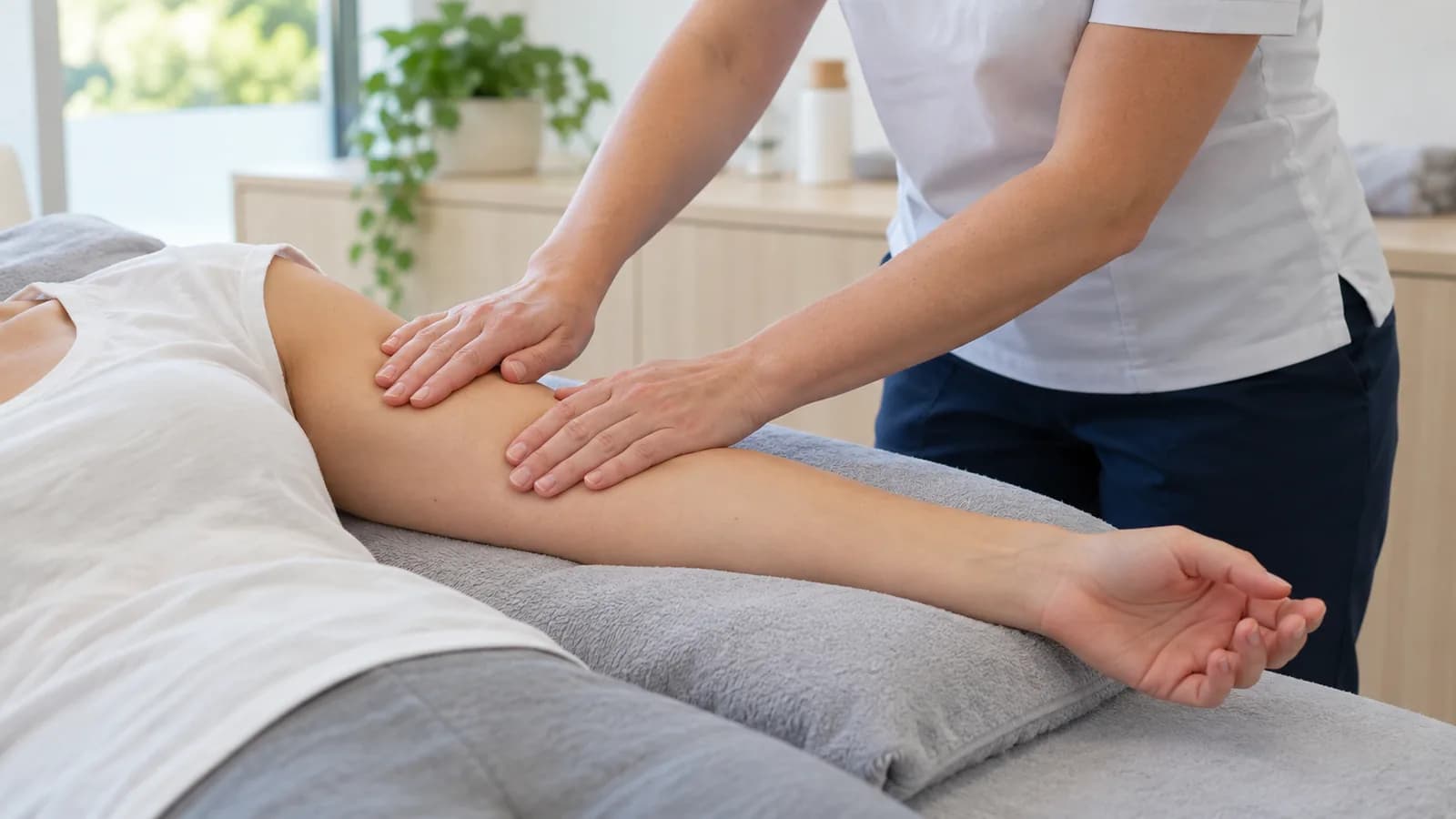
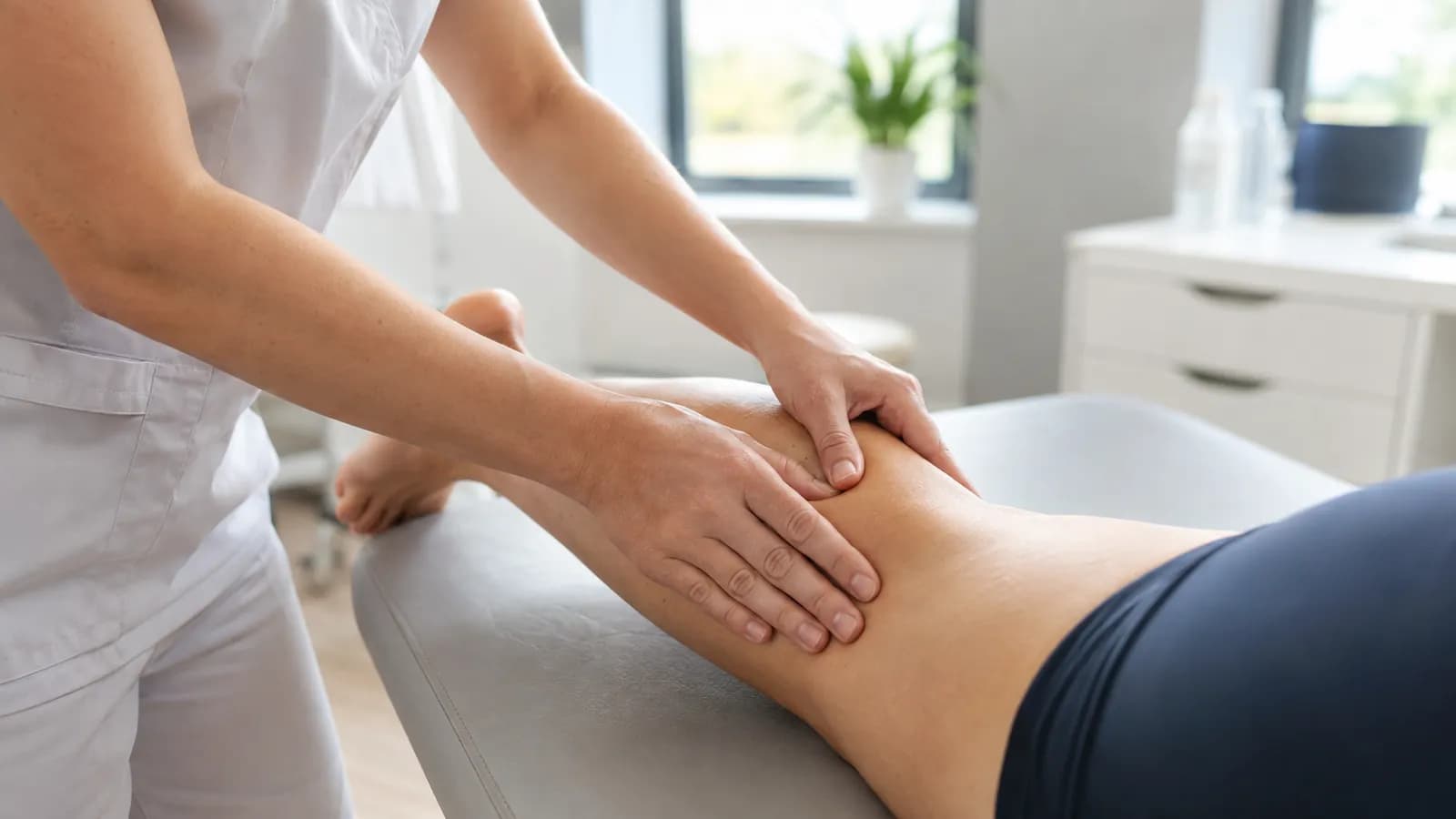
- 1. Manual lymphatic drainage: a specific hand technique using very light pressure that moves the skin rather than kneading muscle. The aim is to stimulate the superficial lymph vessels and direct fluid towards regions that are still working. A session never starts at the swelling itself; it starts at the neck and trunk — the route is cleared first, then the fluid is sent.
- 2. Compression bandaging: the step that prevents the fluid you have just moved from returning, and it cannot be skipped. During the intensive phase, short-stretch bandages are applied in layers; once the volume has settled, the patient moves on to a made-to-measure flat-knit compression garment.
- 3. Decongestive exercise: movement performed while the bandage or garment is on. Every muscle contraction works against the firm outer layer and pumps the lymph vessels from within. The same exercise done without compression achieves far less.
- 4. Skin and nail care: swollen skin dries out, cracks and becomes an easy route for infection, and a single episode of erysipelas can undo months of hard-won volume. Moisturising and careful nail care therefore belong to the daily routine, not only to the treatment session.
Treatment runs in two phases. In the intensive (decongestion) phase sessions are frequent, often spread across most days of the week, and the goal is to bring the volume down; how long it takes depends on the picture. The maintenance phase follows: compression garment, home programme, self-drainage and regular measurement checks. With lymphedema the second phase is the decisive one, because what protects the volume you have gained is continuity rather than the sessions themselves.
What Helps in Daily Life
- Protect the skin: on the affected arm or leg, a cut, a burn, an insect bite or a nail cut too short is an open door to infection. Gloves for washing up and gardening, and insect repellent in summer, are simple measures that work.
- Keep your distance from heat: hammams, saunas and very hot showers dilate the vessels and raise the lymphatic load. In an Antalya summer this is the point we repeat to patients most often.
- Do not skip compression on demanding days: long flights, workdays spent on your feet and long car journeys are the classic occasions when volume climbs.
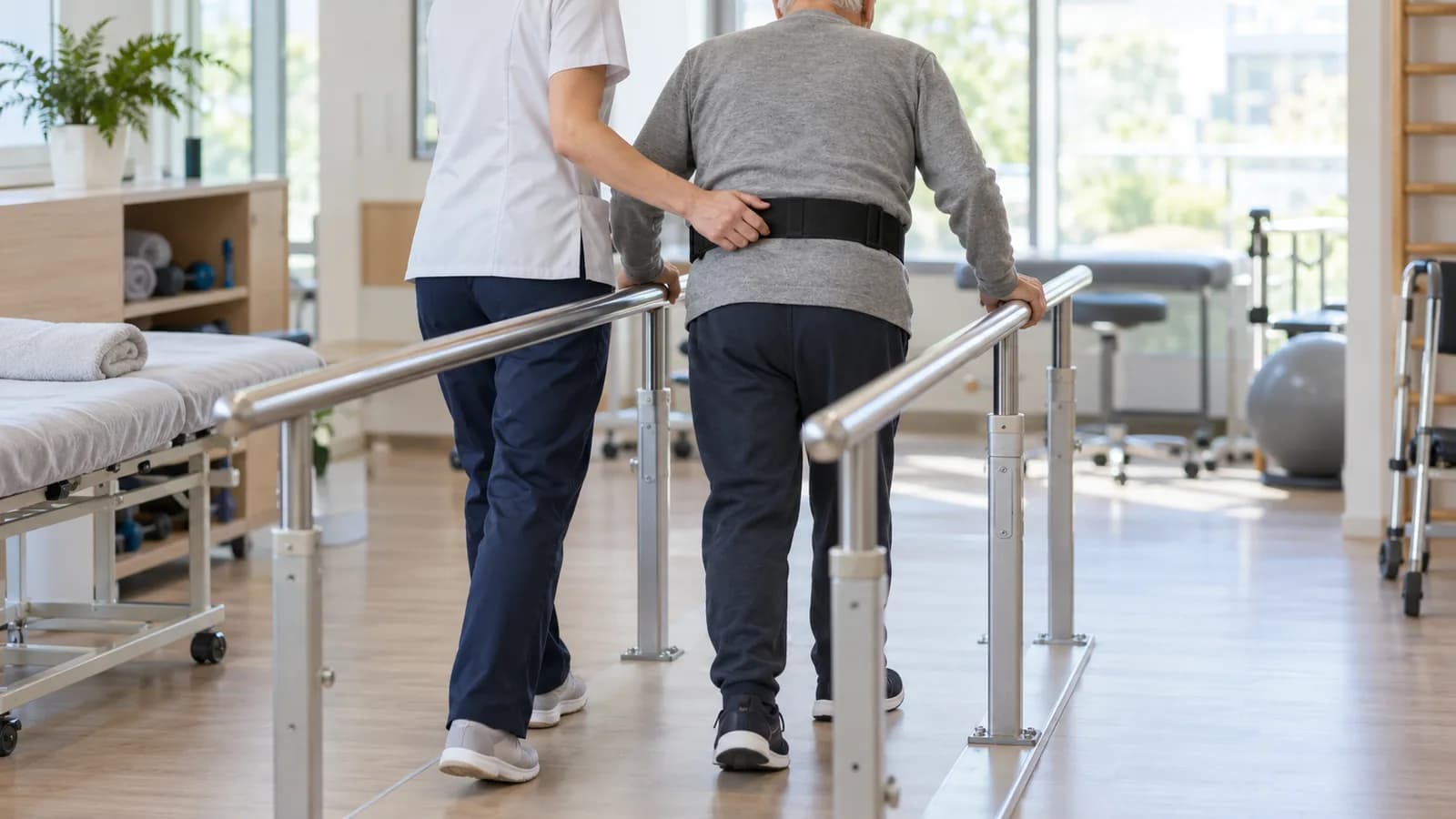
- Keep moving: the old advice was to spare the affected arm; current evidence says the opposite. Resistance work done under compression, with the load increased gradually, is safe and beneficial. What to avoid is sudden, unaccustomed strain.
- Watch your weight: additional body weight directly increases the load on the lymphatic system and makes the condition harder to respond to treatment.
- Change what constricts: tight sock elastics, a tight watch strap or a ring that leaves a mark on the swollen side are all worth reviewing.
Practice on taking blood pressure or blood samples from the affected arm varies from centre to centre. Rather than treating it as an absolute ban, it is more sensible to follow the advice of the team looking after you.
When to See a Doctor First
In some situations the priority is medical rather than physiotherapeutic. Manual lymphatic drainage is not performed in the following circumstances, and you should be seen without delay:
- Sudden redness, warmth, pain and fever over the swollen area: this suggests erysipelas, a skin infection requiring antibiotic treatment.
- Swelling that begins abruptly in one leg with calf pain and tightness: this needs urgent assessment for deep vein thrombosis.
- Breathlessness, shortness of breath that worsens when lying down, or rapidly increasing swelling in both legs: cardiac and renal causes have to be excluded.
- A patient treated for cancer whose swelling increases quickly or who develops new pain: the oncology team should be consulted first.
Beyond these, any swelling that has persisted for a few weeks and is becoming more obvious deserves assessment. For anyone who would like to read further in English, the NHS page on lymphoedema is a clear and reliable starting point.
Assessment and Appointments in Antalya
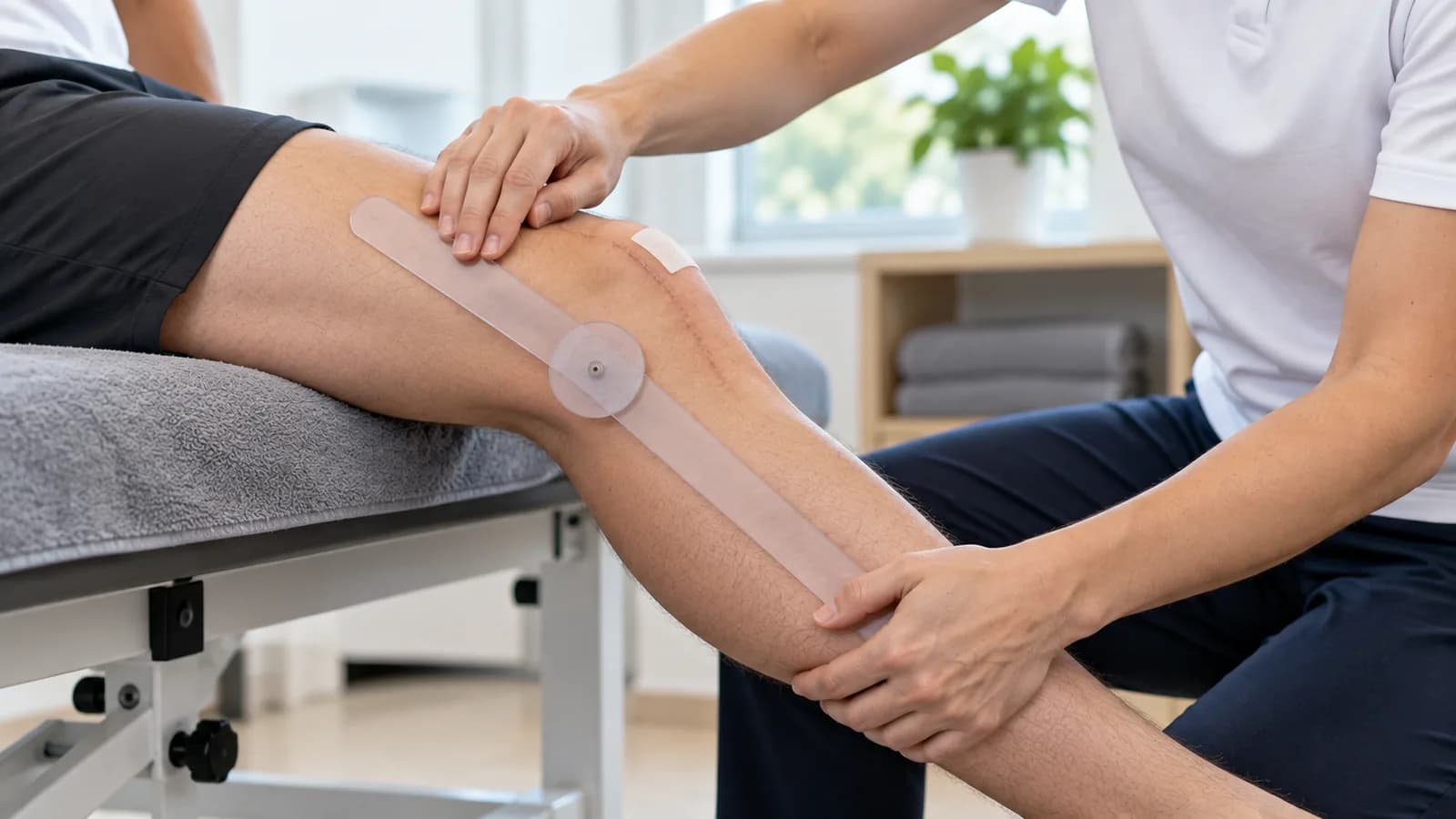
At Akdeniz Deva we base our lymphedema follow-up on measurement: circumferences are taken from set points on both arms or both legs, the difference in volume is recorded, and the same points are measured again throughout treatment. That way "it feels better" comes with a number beside it.
Swelling in the legs is not always lymphedema; if the tissue hurts to the touch, is symmetrical on both legs and does not slim down with dieting, how lipedema differs from lymphedema sets the two conditions side by side. Manual lymphatic drainage is a very light technique designed purely for swollen tissue, whereas the manual therapy techniques for joints and muscles serve an entirely different purpose — the two should not be confused.
Swelling is not always lymphedema. What we do at the first consultation is separate the possibilities and, where necessary, direct you to the right physician. If you have fullness in an arm or a leg that will not settle, you can book an appointment at our clinic in Muratpaşa and bring any reports you already have with you.
This article is for information only; it does not replace an examination or an individual treatment plan.