"I do a hundred sit-ups every day, and my back still hurts." We hear this often in our clinic. The person saying it is usually disciplined; the problem is not the effort but where it goes. Sit-ups train the muscle at the front of the abdomen, but what protects your lower back is not one muscle. It is a system that works as a team.
Below is the explanation we give in the treatment room: what the core actually is, how breathing and the pelvic floor are involved, what to start with instead of sit-ups, and who should take extra care.
The core is not a muscle, it is a box
Picture the middle of your trunk as a box with four walls. The lid is the diaphragm, the dome-shaped muscle under your ribs that moves down when you breathe in. The floor is the pelvic floor, a sling of muscle closing the bottom of the pelvis and supporting the bladder, the bowel and, in women, the uterus. The front and side walls are the deep abdominal muscles; the innermost one, transversus abdominis, wraps around the trunk like a corset. The back wall is formed by the multifidus, small but important muscles attached segment by segment along the spine.
When these four walls work together and with the right timing, a balanced pressure builds inside the trunk and the spine moves under load in a more controlled way. If one wall is weak or switches on too late, the others try to carry the load: the back muscles overwork and breathing becomes shallow.
And the famous six-pack? Its name is rectus abdominis. It runs vertically down the front of the abdomen and is good at bending the trunk forward. Because it is visible, we call it the shop-window muscle. A strong one is fine, but on its own it does not protect the back. We regularly assess people with well-defined abs and back pain who cannot coordinate their deep abdominals with their breath.
Breathing and abdominal pressure: why holding your breath backfires
Because the diaphragm is the lid of the box, the way you breathe directly affects how your core works. Many people hold their breath and bear down, without noticing, whenever they exercise or lift something heavy. A brief, deliberate breath hold is a legitimate technique for heavy lifting, but locking the breath on every movement and every repetition causes other problems. Pressure inside the abdomen rises suddenly and looks for the weakest exit: the pelvic floor is pushed downward, and after childbirth the midline of the abdomen may dome outward. The neck and shoulders tense for no reason, and movement starts to come from the neck and upper back instead of the hips and deep abdominals. Above all, coordination with the breath is never learned, and the same bearing-down habit shows up when you lift a toddler or take shopping bags out of the car.
The sequence we teach is simple. As you breathe in, let the ribs widen to the sides and back and let the belly relax. As you breathe out, gently draw the lower abdomen in and lift the pelvic floor slightly. The effortful part of a movement, the lift or the stand-up, happens on the out-breath. It sounds easy, yet most people relearn it in front of a mirror, a hand on their belly.

The pelvic floor and the postpartum abdomen: the bottom and front of the box
Since the pelvic floor is the base of the core, trunk training cannot be designed without taking it into account. Leaking when you sneeze or jump, or heaviness down below when lifting, can be signs that the bottom of the box is not coping. We explain how these muscles work and when they should be assessed in our article on pelvic floor health for men and women.
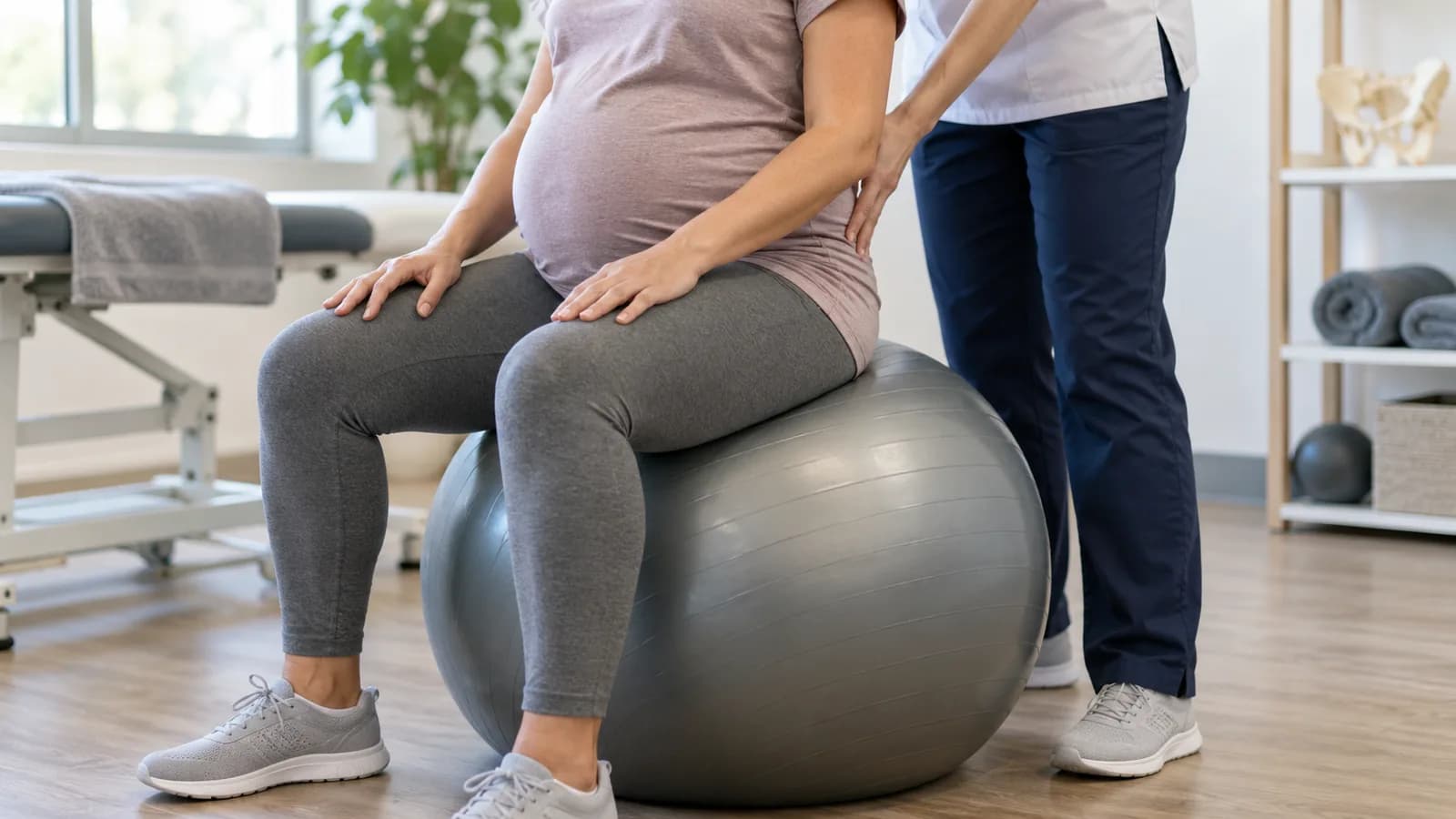
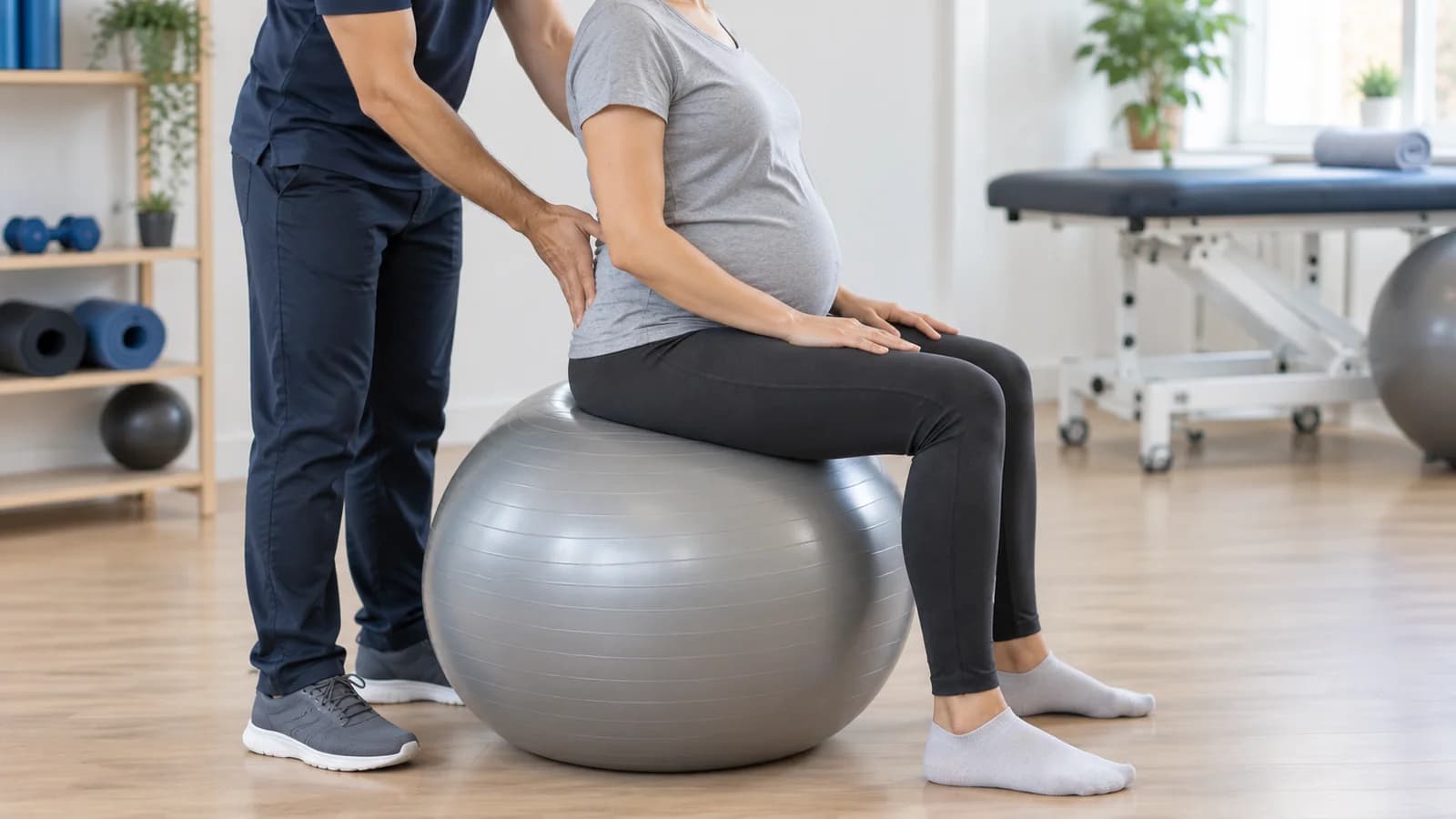
The postpartum period deserves its own mention. During pregnancy the connective tissue along the midline stretches, and in some women a noticeable gap remains between the two rectus muscles after birth; this is called diastasis recti. If sit-ups and similar forward-bending exercises are started early and intensively, the midline can bulge like a ridge. We described what happens in the abdomen and pelvic floor in our article on postpartum recovery. Here we will add just one point: after birth, the programme should match the current state of your own midline and pelvic floor, not a plan copied from someone else.
Why sit-ups are not the first choice, and what we do instead
The classic sit-up is not a forbidden exercise. But for someone with back pain, a new mother or a person just getting to know their core, it is not the first choice either. It bends the spine forward again and again, most people do it while holding their breath and pulling on their neck, and it does little for the trunk's real everyday job: controlling movement and resisting rotation and sideways collapse. Our starting list usually looks more like this:
- Breath-led deep abdominal activation: lie on your back with knees bent. As you breathe out, gently draw in the area below the navel and lift the pelvic floor slightly. Do not flatten your back into the floor; keep its natural curve. Five to ten breaths, then relax completely.
- Dead bug: lying on your back, arms reach towards the ceiling, hips and knees bent at ninety degrees with the legs in the air. As you breathe out, lower one arm behind your head and extend the opposite leg, then return. Keeping your lower back steady matters more than how far you reach.
- Bird-dog: on hands and knees, hands under shoulders, knees under hips. Reach one arm forward and the opposite leg back, keeping your back flat like a table and your hips level. Hold for a few seconds, then switch sides.
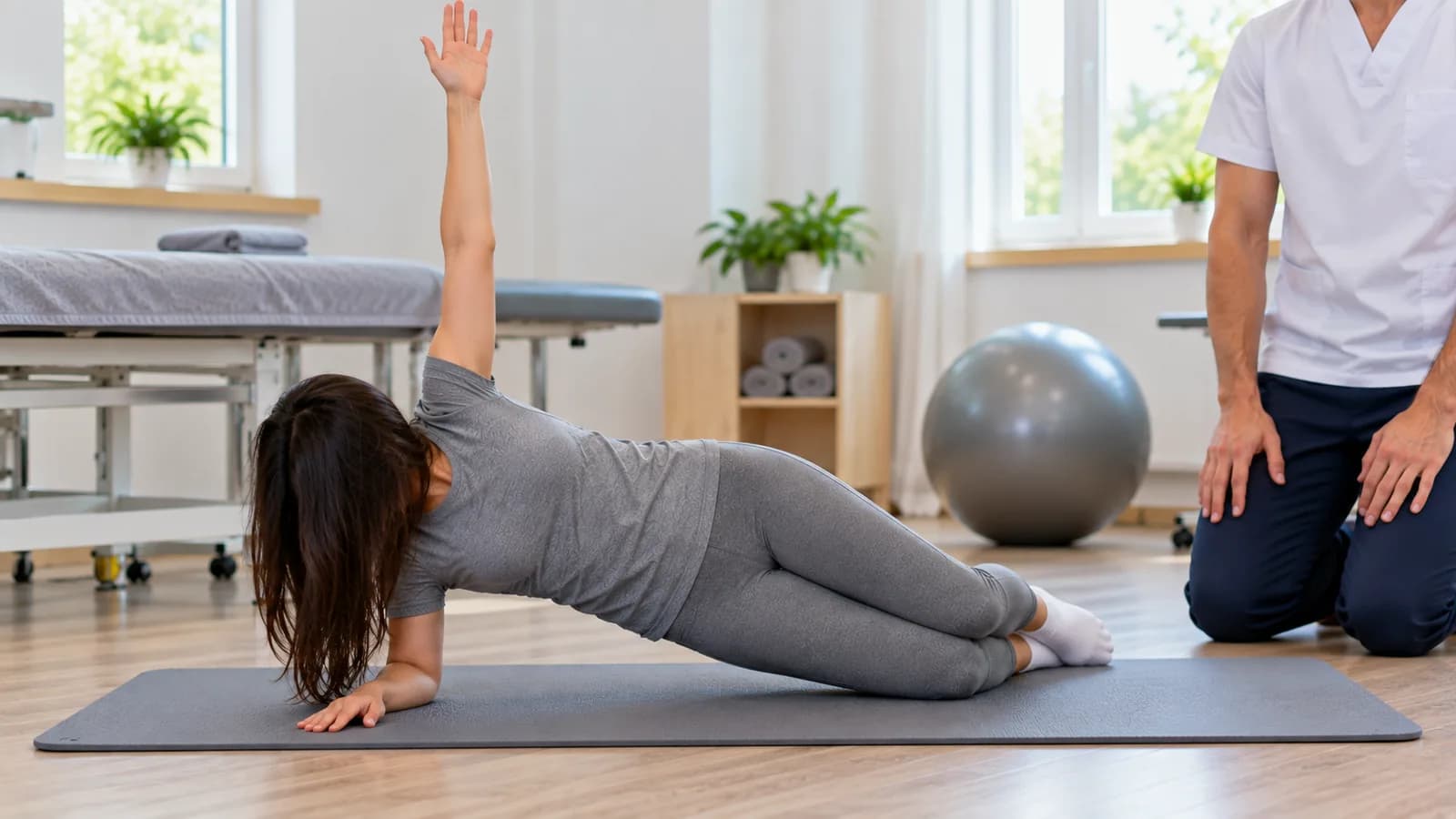
- Side plank: lie on your side and lift yourself onto your forearm. Beginners keep the knees bent and on the floor; as you get stronger, straighten the legs and stack the feet. The aim is to stop the trunk from sagging towards the floor.
- Glute bridge: on your back, knees bent, feet flat. As you breathe out, lift your hips. Drive the movement from the buttocks rather than the lower back, and avoid over-arching.
- Farmer carry: walk tall and unhurried holding a weight, or a full water bottle, in each hand. Carrying in one hand makes the trunk work to avoid tipping sideways; few core exercises are closer to real life.
The order of progression matters as much as the exercises. First learn to engage correctly with the breath; then work lying down in supported positions; then increase time and repetitions and add arm and leg movements; only at the end work standing and under load. If you cannot do a step without pain and without holding your breath, it is too early to move to the next one.
A strong core is not one that is always tight, but one that can tighten as much as needed, exactly when it is needed.
The limits of "always pull your belly in"
Some of our patients have heard the advice to "pull your stomach in and keep it tight all day" and follow it to the letter. The intention is good, but holding the abdomen tense all day can become a problem of its own. A constantly braced belly stops the diaphragm from moving freely; breathing shifts up into the chest and neck, and the shoulders rise. The pelvic floor also needs to rest, and a pelvic floor that is held tense all the time can itself lead to pain and toilet difficulties.
The goal is to engage as much as the task requires: more when you lift a heavy box, much less when you sit at your desk. It is perfectly normal for your belly to be relaxed while you sit on the phone. Think of the core as a volume knob adjusted to the load, not a switch left on all day.
Who needs an individual programme, and an honest limit
If any of the following applies to you, we recommend an assessment before starting a ready-made core programme from the internet:
- You have given birth recently, vaginally or by caesarean section
- There is a gap (diastasis) or a doming along the midline of your abdomen
- You have a diagnosed disc herniation in the lower back or neck, or pain and numbness spreading into a leg or arm
- Osteoporosis: forward bending and loaded twisting need care; we covered safe exercise principles in our article on osteoporosis and bone health
- Back pain that started recently, is severe and clearly worsens with movement
There is also an honest limit we want to state: core training does not solve every case of back pain. Pain can come from the joints, the discs, a compressed nerve, the hip or even internal organs, and telling these apart is the job of a proper examination. We gathered the possible causes, and the symptoms you should not wait out, in our article on lower back pain. Weakness in a leg, changes in bladder or bowel control, numbness around the groin or buttocks, or back pain with fever are not a matter for exercise; they are reasons to see a doctor without delay. The UK's National Health Service explains these warning signs and the role of exercise clearly on its back pain page.

Where clinical pilates fits, and daily life in Antalya
Clinical pilates is one way of practising these principles, breathing, deep abdominals, pelvic floor and controlled movement, under a physiotherapist's supervision with individually chosen exercises. It is not a magic method; it works because it progresses at the right dose and in the right order. We plan our clinical pilates sessions after an examination, according to the cause of the pain and the demands of the person's day.
Our patients in Antalya show why core training cannot be one-size-fits-all. An office worker who sits at a desk for eight hours needs short movement breaks that interrupt sitting, glute bridges, and the ability to sit upright while staying relaxed. A hotel housekeeper bends all day, lifts mattresses and pushes a laundry trolley; their programme puts carries, side planks and learning to hinge from the hips rather than the lower back at the front.
If you like to exercise on the beach in summer, two notes. Sand is an unstable surface, which is both an advantage and a risk: master the basic movements on firm ground first, then take them onto the sand. In the midday heat of July and August, exercise tires you quickly, attention drifts and form breaks down; early morning or after sunset is a better time, and always keep water with you.
If your back pain has lasted more than two weeks despite regular exercise, if you notice a bulge along your abdomen after giving birth, or if you are simply unsure where to begin, you are welcome to visit our clinic for an assessment. We look for the cause of the pain first and build the programme after that.